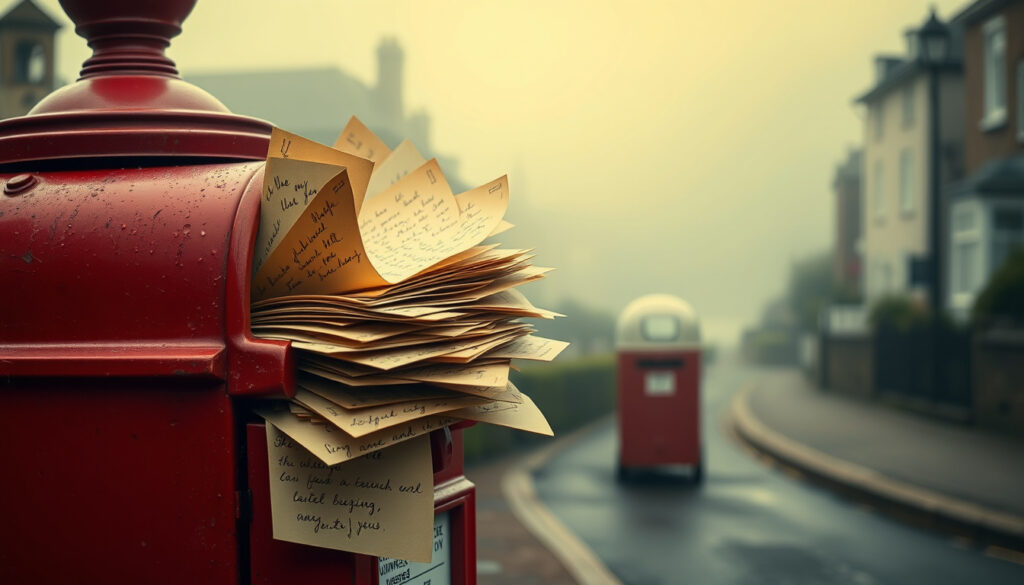
Wicked Little Letters Cast – Full List, True Story and Viewing Guide
Wicked Little Letters brings together an acclaimed ensemble cast to tell the stranger-than-fiction tale of the 1920s Littlehampton libel scandal. The film, directed by Thea Sharrock, features Olivia Colman and Jessie Buckley in leading roles, supported by a roster of distinguished British actors. Released in UK theatres in 2023 and in US cinemas on March 29, 2024, the comedy-drama has since become available for streaming, attracting audiences with its blend of dark humor and period atmosphere.
The production has drawn particular attention for its casting choices, with Colman’s Oscar-winning credentials meeting Buckley’s rising star status. Beyond the headline names, the supporting ensemble brings decades of combined experience from British stage and screen, lending authenticity to the 1920s seaside setting. The ensemble approach mirrors the real-life nature of the original scandal, which involved multiple residents of the quiet seaside town.
This comprehensive guide covers the full cast listing, the true story basis, viewing options, and the historical context that shaped both the real events and their cinematic adaptation.
Wicked Little Letters Cast Now
Academy Award winner playing the devout spinster at the centre of the scandal
Irish immigrant whose outspoken nature makes her an easy target
Theatre and film director behind this period black comedy
UK theatrical release followed by US premiere and streaming debut
Key Insights
- The film dramatises the genuine Littlehampton libels of the 1920s, a scandal that divided a small English seaside community
- Olivia Colman’s casting marks a reunion with director Thea Sharrock following their collaboration on the stage production of The Hour
- Jessie Buckley portrays the Irish immigrant Rose Gooding, whose foreign accent and forthright manner made her a target for community hostility
- The screenplay comes from Jonny Sweet, a British comedian and writer making his feature film debut in the genre
- Anjana Vasan plays WPC Gladys Moss, a pioneering female police officer whose investigation proves pivotal to uncovering the truth
- The supporting cast includes Timothy Spall as Edith’s father Edward Swan and Gemma Jones as her mother Victoria Swan
- Eileen Atkins, a veteran of British theatre and screen, appears as the character Mabel in one of her final film roles
Film Snapshot
| Fact | Details |
|---|---|
| Director | Thea Sharrock |
| Writer | Jonny Sweet |
| Runtime | 100 minutes |
| Genre | Period Black Comedy / Mystery |
| Rating | R |
| Metascore | 58 |
| Based On | Littlehampton 1920s scandal |
| Key Cast | Colman, Buckley, Spall, Vasan |
Full Cast Directory
| Actor | Role |
|---|---|
| Olivia Colman | Edith Swan (also producer) |
| Jessie Buckley | Rose Gooding |
| Anjana Vasan | WPC/PC Gladys Moss |
| Joanna Scanlan | Ann |
| Gemma Jones | Victoria Swan |
| Timothy Spall | Edward Swan |
| Malachi Kirby | Bill |
| Lolly Adefope | Kate |
| Eileen Atkins | Mabel |
| Hugh Skinner | Constable Papperwick |
| Alisha Weir | Nancy Gooding |
| Paul Chahidi | Chief Constable Spedding |
| Jason Watkins | Mr. Treading |
| Jonny Sweet | Daily Mail reporter |
| Tim Key | Father Ambrose |
| Krishni Patel | Winnie Moss |
| Richard Goulding | Mr. Scales |
| Cyril Nri | Judge Maccleston |
Minor variations in cast credits exist across different listings. Additional credited actors include Edward Judge as Den and Michael O’Connor as Ray, among others in supporting roles. The cast listing reflects information available from Wikipedia, TV Guide, and Screen Rant.
Is Wicked Little Letters a True Story?
The film draws directly from the real Littlehampton libels of the 1920s, a notorious case that captivated the British public nearly a century ago. The true scandal unfolded in the quiet seaside town of Littlehampton, Sussex, where anonymous obscene letters began arriving at residents’ homes. The letters contained crude profanities and personal insults, shocking a community that valued propriety and decorum.
Who Wrote the Letters in Wicked Little Letters?
According to historical records, Rose Gooding—an Irish immigrant known for her outspoken manner—became the primary suspect and was arrested and tried twice for the crimes. The national media frenzy that followed turned the case into a sensation, with newspapers following every development. However, a female police officer’s investigation eventually revealed handwriting mismatches that cast doubt on Gooding’s guilt.
The investigation ultimately led to Edith Swan’s confession as the author of the letters. Swan, described as a pious spinster, had apparently framed her former friend following some unspecified grievance between them. The confession came only after further letters arrived following Gooding’s trial, leading to the reversal of public opinion and judicial scrutiny.
The real-life Littlehampton scandal exposed deep-seated issues of misogyny, class tensions, and police bias in the England of the 1920s. Gooding’s status as an Irish immigrant made her an convenient scapegoat, while the authorities’ initial failure to consider alternatives reflected broader prejudices of the era. The case highlighted how easily community outsiders could become targets when authorities sought simple explanations for complex problems.
The Real Figures Behind the Film
Edith Swan, the real-life figure at the centre of the case, was portrayed as a devout churchgoer whose religious standing initially protected her from suspicion. Rose Gooding, the Irish immigrant mother, embodied the foreign Other that post-WWI British society viewed with suspicion and hostility. Their friendship-turned-enmity formed the backdrop against which the poison pen letters were dispatched.
The film’s recreation of the letter content draws on historical accounts of the scandal, though exact historical texts are not publicly quoted in official sources. The crude profanity and personal insults targeting recipients’ habits and character provided the comedic material that writer Jonny Sweet adapted for the screenplay. These scenes, where letters are dramatically read aloud in courtroom and domestic settings, have become standout moments in promotional materials.
Wicked Little Letters Trailer
Official trailers for the film emphasise its unique tone, blending comedy and mystery within the period setting. Promotional footage showcases the letter-reading scenes that have become synonymous with the production, with Olivia Colman and Jessie Buckley featured prominently delivering the infamous correspondence.
The trailers introduce viewers to the 1920s English seaside atmosphere, establishing the rigid social hierarchies and prudish conventions that the film’s protagonists both embody and subvert. The juxtaposition of genteel period detail with the extraordinarily vulgar letter content creates the black comedy effect that distinguishes the film from conventional period dramas.
Trailers are available through official studio channels on video platforms, with Rotten Tomatoes providing access to promotional materials alongside critic reviews and audience scores.
The film’s marketing campaign generated significant online interest following its UK release. Official trailers feature footage approved by the production company and accurately represent the film’s tone and content. Third-party compilations and analysis videos are also widely available through video platforms.
Where to Watch Wicked Little Letters
For viewers in the United Kingdom, the film received a theatrical release in 2023, bringing the period comedy to cinema audiences across the country. The big-screen presentation allowed audiences to appreciate the detailed production design and period costumes that recreate the 1920s setting.
American audiences had to wait until March 29, 2024, for the film’s US theatrical premiere. The delayed release allowed for marketing coordination and distribution arrangements that prioritised the theatrical experience before other viewing formats became available.
Streaming and Digital Options
Following its theatrical run, Wicked Little Letters became available for streaming through Netflix, giving subscribers access to the film as part of their regular viewing options. This streaming debut introduced the comedy-mystery to a wider international audience who may have missed the cinema releases.
For viewers preferring digital ownership, the film remains available for rent or purchase through Apple TV and similar platforms. These options allow permanent access to the film without requiring an active subscription, suitable for collectors who wish to add the title to their personal libraries.
The film’s blend of dark comedy, period atmosphere, and mystery elements makes it particularly well-suited for home viewing, where repeated viewings allow appreciation of the ensemble performances and screenplay details. Netflix streaming offers the most accessible option for existing subscribers, while digital rental provides flexibility for occasional viewers.
What Year is Wicked Little Letters Set In?
The film is set in the 1920s, specifically in the interwar period following the conclusion of the First World War. This temporal setting is essential to understanding both the social dynamics that drive the plot and the technological limitations that shaped how the characters communicate and conduct their lives.
The 1920s English Seaside Setting
Littlehampton, Sussex serves as the real and fictional location for the scandal, a genuine seaside town whose Edwardian-era charm the film faithfully recreates. The period setting captures a specific moment in British history when rigid class divisions governed social interactions and religious observance shaped daily life.
Post-WWI Britain grappled with social change while maintaining the appearances of Victorian propriety. Women’s roles were strictly circumscribed despite the contributions they had made during the war years. The emerging presence of policewomen like WPC Gladys Moss represented an early step toward greater female participation in public life, though their authority was often limited and challenged. To discover the true story behind the film and explore its cast, check out the bioscoopagenda.
The historical context provides fertile ground for satire, as the film’s foul-mouthed letters expose the gap between public respectability and private behaviour. Trial scenes parody the judicial system’s class biases, while the letters themselves punctuate the film’s exploration of hypocrisy and prejudice.
Timeline of Key Events
The production timeline and historical events surrounding the film span nearly a century, from the real scandal to the film’s premiere:
- 1920s — The real Littlehampton libel scandal unfolds, with anonymous obscene letters targeting residents and Rose Gooding’s wrongful prosecution
- Post-trial — Handwriting analysis and subsequent letters lead to Edith Swan’s confession as the true letter writer
- 2022-2023 — Principal photography and production complete in preparation for release
- 2023 — UK theatrical release generates positive reception and strong word-of-mouth
- March 29, 2024 — US theatrical premiere expands the film’s international profile
- 2024 — Netflix streaming release makes the film widely accessible to global audiences
Established Facts and Unresolved Questions
| What We Know | Areas of Uncertainty |
|---|---|
| The film is based on the Littlehampton libels of the 1920s | The exact motivation behind Edith Swan’s letter-writing remains debated among historians |
| Rose Gooding was tried twice and wrongfully convicted | Some details of the letters’ contents vary between historical accounts |
| A female officer’s investigation was instrumental in solving the case | The full extent of media manipulation in coverage of the case is difficult to determine |
| Edith Swan eventually confessed to writing the letters | Whether others may have assisted Swan in the letter-writing campaign is not conclusively established |
| The scandal highlighted period biases against immigrants and women | Official records of the trial proceedings contain gaps that limit complete historical reconstruction |
Why the Littlehampton Scandal Resonates Today
The themes explored in Wicked Little Letters remain strikingly relevant to contemporary audiences. Misogyny, class prejudice, and the scapegoating of outsiders echo concerns that continue to surface in modern discourse. The film uses historical distance to examine these issues while maintaining an entertaining comedic surface.
Olivia Colman’s involvement brings Oscar-calibre gravitas to material that might otherwise remain purely farcical. Her ability to navigate between comedy and drama provides the film with emotional grounding, while her established reputation for transformative performances assures audiences of the character’s complexity. Similarly, Jessie Buckley’s rising prominence in prestige productions adds credibility to the ensemble.
The ensemble cast, featuring veteran performers alongside emerging talents, creates a textured portrayal of a community under pressure. Supporting performances from Timothy Spall, Gemma Jones, and others anchor the family dynamics, while younger cast members bring contemporary energy to period material.
“A lighthearted take on true crime that proves truth can indeed be stranger than fiction.”
— Rotten Tomatoes critic consensus, Rotten Tomatoes
The film’s reception has been generally positive, with particular praise directed toward the central performances and the clever script by Jonny Sweet. The 58 Metascore reflects mixed but largely favorable critical opinion, while audience responses have highlighted the film’s entertainment value and historical interest.
Wicked Little Letters: A Complete Overview
Wicked Little Letters succeeds as both entertainment and social commentary, using the framework of a true crime scandal to examine timeless themes of prejudice, reputation, and justice. The combination of acclaimed performances, sharp writing, and period atmosphere creates an engaging viewing experience that satisfies on multiple levels.
For viewers interested in British cinema, period dramas, or simply well-crafted comedies, the film offers an accessible entry point to the Littlehampton scandal’s strange history. Meanwhile, those exploring ensemble casts across genres may find value in examining how similar ensemble dynamics drive narrative success in other productions.
Frequently Asked Questions
What examples of the letters appear in the film?
The film recreates letters containing crude profanity and personal insults targeting recipients’ habits and character. Exact historical texts are not quoted in official sources, but the recreated content follows accounts of the original letters’ style and subject matter.
Who wrote the letters in real life?
Edith Swan eventually confessed to writing the anonymous letters after Rose Gooding was tried and wrongfully convicted. Her confession came only after handwriting analysis revealed discrepancies and additional letters arrived following the trial.
Is the film available on Netflix?
Yes, Wicked Little Letters is currently streaming on Netflix for subscribers. Digital rental and purchase options are also available through Apple TV and similar platforms.
How long is the film?
The film runs for 100 minutes and carries an R rating for language and brief sexual references.
Who directed Wicked Little Letters?
Thea Sharrock directed the film, with Jonny Sweet writing the screenplay. Both are established figures in British theatre and screen, with Sharrock previously directing Colman in stage productions.
What is the Metascore for the film?
Wicked Little Letters received a Metascore of 58, indicating mixed but generally favorable critical reception.
Where was the film set?
The film is set in the 1920s in Littlehampton, Sussex, faithfully recreating the seaside town where the real scandal unfolded nearly a century earlier.
When was the film released?
The UK theatrical release occurred in 2023, with the US premiere following on March 29, 2024. Netflix streaming became available later in 2024.
More related posts
 I Fought the Law Cast – Full ITV 2025 Series List
 Al-Nassr vs Al-Zawraa – 5-1 Win Tops Perfect Group
 Johnnie Walker Red Label – En guide till whiskyn
 Nigeria vs South Africa – 1-1 Draw in World Cup Qualifiers
 Basal Cell Skin Cancer – Symptoms, Causes, Prevention
 What Is the Name for the Amount of Energy Transferred Every Second by an Electrical Appliance – Power and Watts Explained
 Itchy Right Palm Meaning – Superstitions and Medical Facts
 Take a Sexy Picture of Me Lyrics – Meaning, Analysis, and Feminist Themes
