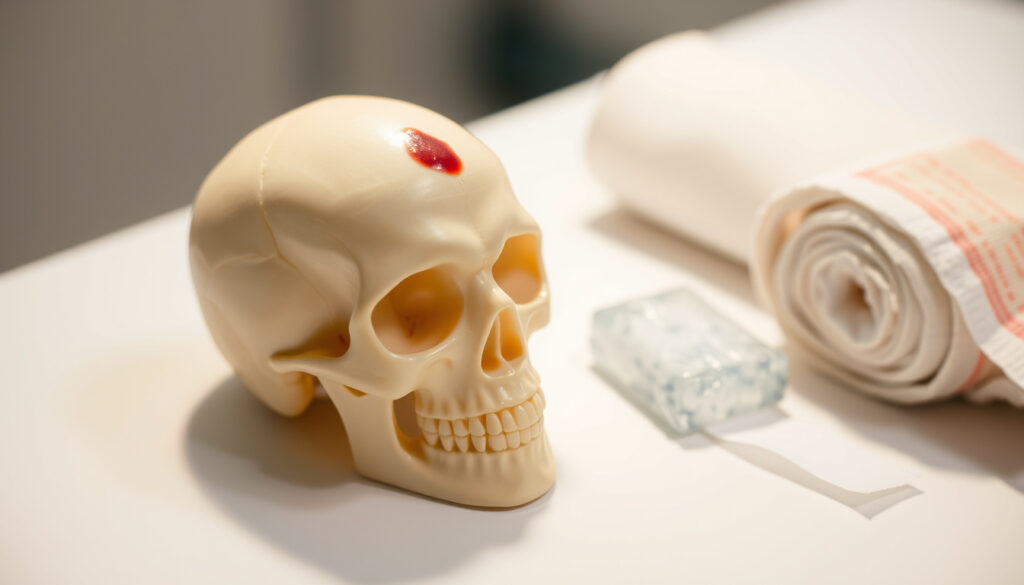
I Hit My Head and It Hurts When I Touch It – Should I Worry
A bump on the head often leaves a lingering question: the spot hurts when touched, yet there may be no visible bruise. This type of tenderness is one of the most common symptoms reported after a minor head injury, and it can cause genuine concern. Understanding what that localized pain means, when it signals something more serious, and how to care for it at home can help you make informed decisions about your health.
Scalp tenderness after a head injury can happen even without a bruise. According to the Cleveland Clinic, it is often caused by a scalp soft-tissue injury, a mild head injury, or a concussion rather than visible skin damage. The Seattle Children’s Hospital notes that mild head injuries frequently cause pain in one spot, scalp swelling, or a shallow cut, and may not show much externally at first.
Most cases of tenderness after a bump are benign and resolve on their own. But because head-injury symptoms can appear late, knowing the difference between normal soreness and a warning sign is essential.
I Hit My Head and It Hurts When I Touch It – Should I Be Worried?
Usually not if it’s just tenderness. Seek emergency care if you have vomiting, confusion, loss of consciousness, or severe headache.
Pain without a bruise is common – the injury may be deep or cause swelling inside the scalp.
Ice the area for 20 minutes, rest, avoid strenuous activity, and take acetaminophen if needed (avoid ibuprofen/aspirin).
See a doctor – it could be a lingering contusion, nerve irritation, or rarely a more serious issue.
Key Insights at a Glance
- Scalp tenderness after a minor head injury is usually benign and resolves on its own.
- Absence of a bruise does not rule out a contusion or internal swelling.
- Persistent pain beyond 2-3 weeks warrants medical evaluation to rule out complications.
- Ice, rest, and acetaminophen are first-line self-care measures for a sore spot.
- Red flags requiring immediate medical attention include vomiting, confusion, unequal pupils, or worsening headache.
Quick Fact Snapshot
| Topic | Fact |
|---|---|
| Common cause | Blunt force to the head (fall, bump, sports impact) |
| Typical symptom | Localized tenderness at the impact site, often worse when touched |
| When to see doctor | Pain lasting >2 weeks, red-flag symptoms, or if injury was severe |
| Typical recovery | Mild contusion resolves in a few days to 1 week; deeper tenderness may last longer |
Why Does the Spot Where I Hit My Head Hurt to Touch Even Without a Bruise?
Pain at the impact site without visible bruising is more common than many people realize. The scalp contains dense nerve endings and a rich blood supply. Even a minor impact can cause local inflammation and swelling deep enough to be tender to the touch without showing any surface discoloration.
What Is a Contusion?
A contusion is essentially a bruise on the soft tissue. As MidJerseyOrtho explains, a contusion usually manifests as a swollen bruise that is sensitive to touch. These injuries are typically mild. When the impact is to the head, the contusion may remain deep within the scalp layers, producing tenderness without a visible black-and-blue mark.
Can a Head Injury Cause Pain Without Visible Bruising?
Yes. The Cedars-Sinai medical library confirms that mild head injuries often cause pain in one specific spot, scalp swelling, or a shallow cut, and may not show much externally at first. The swelling may be located beneath the skin layers, making it difficult to see but easy to feel when pressure is applied.
Why Does the Pain Vary by Location (Back, Top, Forehead)?
The scalp is not a uniform structure. The forehead has a thin layer of skin over bone, so impacts there often produce immediate swelling. The top and back of the head have thicker soft tissue and more nerve endings, which can result in deeper, more persistent tenderness. According to Johns Hopkins Medicine, concussion symptoms such as headache, dizziness, and memory problems can occur regardless of where the head was struck, but the localized tenderness is usually tied to the exact point of impact.
A concussion can happen even if you never lose consciousness. Common symptoms include confusion, headache, dizziness, nausea, memory or concentration problems, light sensitivity, balance issues, and irritability. If you experience any of these after a hit to the head, medical evaluation is recommended even if the spot that hurts to touch seems minor.
What Home Remedies Can Soothe a Sore Spot on the Head After a Bump?
For a mild head injury with no red-flag symptoms, home care is usually sufficient. The goal is to reduce local inflammation and allow the tissue to heal.
Can I Ice the Bump?
Yes. Applying an ice pack wrapped in a cloth to the sore area for about 20 minutes at a time can help reduce swelling and numb the pain. The NHS inform Scotland recommends ice as part of standard first-line care for minor head injuries.
What Pain Relievers Are Safe After a Head Injury?
Healthdirect Australia advises using paracetamol (acetaminophen) for pain relief after a head injury and avoiding other pain medicines, particularly ibuprofen and aspirin, if there is any risk of bleeding. The Cleveland Clinic also recommends acetaminophen for mild head injury pain, noting that rest and avoiding intense physical activity are equally important. Avoid driving or operating machinery for at least 24 hours, alcohol and sleeping pills for at least 48 hours, and sports for at least 48 hours.
When Should I Avoid Home Remedies and See a Doctor?
If the pain is severe, getting worse, or accompanied by any cognitive or neurological symptoms, home remedies are not appropriate. Vomiting, confusion, memory loss, a sudden bad headache, or any sign of bleeding requires immediate medical evaluation. The Henry Ford Health System notes that a head injury is serious if it causes an artery or vein to burst and leads to bleeding in the brain.
Why Does My Head Still Hurt to Touch Weeks Later?
Most mild head injuries resolve within a few days. When tenderness lingers for weeks, it raises different questions.
How Long Does Scalp Tenderness Last?
Seattle Children’s Hospital reports that scalp pain at the site of impact may last about 3 days for a simple bump. Concussion symptoms can last several weeks, and persistent post-concussive symptoms can last longer than three months.
Head-injury symptoms can start hours, days, or even weeks after the event. This is why monitoring your condition over time is important, even if you felt fine immediately after the bump. If new symptoms appear or existing tenderness worsens, seek medical advice.
Could It Be a Sign of a Lingering Injury?
Persistent tenderness may indicate a slow-healing contusion, nerve irritation, or, in rare cases, an undiagnosed injury such as a small scalp hematoma. The Mayo Clinic states that post-concussion syndrome can cause symptoms that last for weeks or months, including persistent headache and sensitivity at the injury site.
You should see a doctor if you experience: a headache lasting more than 24 hours in a child, confusion or memory loss after the injury, nausea or vomiting, a sudden bad headache, symptoms that are not improving or that persist for weeks, or focal pain that remains very tender to touch or is getting worse. These signs warrant a professional assessment even if they do not require an emergency room visit.
When to Follow Up With a Doctor for Persistent Pain?
If the spot where you hit your head remains tender for more than two to three weeks with no improvement, or if new symptoms such as headaches, dizziness, or concentration problems develop, schedule an appointment with your primary care provider or a neurologist. Imaging may be needed to rule out underlying issues.
What Is the Typical Timeline for Recovery After Hitting Your Head?
- Immediate (0-24 hours): Sharp pain, possible swelling, and tenderness to touch at the impact site. Apply ice, monitor for red flags, and rest.
- Days 1-3: Tenderness may persist but should begin to improve. Seattle Children’s notes scalp pain at the site of impact typically lasts about 3 days for a simple bump.
- First week (1-7 days): A bump may form or shrink. Continue ice as needed. Avoid NSAIDs if bruising is present. Most mild tenderness resolves within this window.
- Second week (8-14 days): If tenderness remains, it may be a slow-healing contusion or nerve sensitivity. Most symptoms should be noticeably improved.
- Weeks 3-4 and beyond: Persistent tenderness warrants medical evaluation. Concussion symptoms can last several weeks; post-concussion syndrome can extend beyond three months.
- Any time: If red-flag symptoms appear at any stage (vomiting, seizure, confusion, worsening headache, vision changes, weakness, unequal pupils), seek emergency care immediately.
What Is Known and What Remains Uncertain About Head Injury Pain?
| Established Information | Information That Remains Unclear |
|---|---|
| Mild scalp tenderness without other symptoms is almost always benign. | It is unclear why some people have pain without a bruise while others have a visible bump. |
| Ice and rest are proven to reduce swelling and pain. | Delayed symptoms such as headaches or dizziness can appear hours to days after the injury, making early risk assessment difficult. |
| Certain symptoms (vomiting, confusion, loss of consciousness) require emergency care. | Persistent pain weeks later may be due to nerve irritation, scar tissue, or an undiagnosed injury – the exact cause is not always clear without imaging. |
Why Does the Scalp Hurt So Much When Touched After a Bump?
The anatomy of the scalp explains why even a minor impact can feel so tender. The scalp contains a dense network of nerve endings, blood vessels, and lymphatic tissue. When a blunt force strikes the head, these tissues can become inflamed and swollen even without breaking the skin. This inflammation sensitizes the nerve endings, making the area painful to touch.
It is important to distinguish between a scalp contusion (an external soft-tissue injury) and a concussion (an internal brain injury). A contusion is limited to the scalp layers and, while painful, is usually not dangerous. A concussion involves the brain and may produce symptoms such as confusion, memory loss, dizziness, and nausea. Both can occur from the same impact, or a concussion can happen without any visible scalp injury.
Top medical resources such as the NHS UK focus heavily on concussion red flags, while orthopedic sources like MidJerseyOrtho address contusion sensitivity. This article bridges both perspectives, covering scalp tenderness within the broader context of head injury assessment.
What Do Medical Authorities Say About Head Injury Symptoms?
Call 999 if someone has hit their head and has any of these symptoms: loss of consciousness, confusion, vomiting, severe headache, weakness in arms or legs.
– NHS UK
A head injury is serious if it causes an artery or vein to burst and leads to bleeding in your brain.
– Henry Ford Health System
A contusion usually manifests as a swollen bruise that’s sensitive to the touch. These injuries are usually mild.
– MidJerseyOrtho
Minor head injuries are common in people of all ages and rarely result in any permanent brain damage.
– NHS inform Scotland
So What Should You Do If Your Head Hurts to Touch?
Monitor your symptoms over the next 24 to 48 hours. If the tenderness is gone after a few days, no further action is needed. If the pain worsens or new symptoms appear, seek medical attention. For persistent pain lasting beyond two weeks, schedule a visit with your primary care provider or a neurologist. In the meantime, rest, ice, and acetaminophen remain safe first-line measures. If you are looking for guidance on other common health concerns, you may find our article on How to Stop Acid Reflux – Fast Relief Home Remedies and Tips helpful.
Frequently Asked Questions
I hit my head and it hurts when I touch it – what do Reddit users say?
Many Reddit users report similar experiences and often recommend icing, rest, and seeing a doctor if symptoms persist. Reddit advice is not a substitute for professional medical evaluation.
Is a headache on the back of the head after hitting normal?
Yes, headaches in the area of impact are common. They usually resolve in a few days. If the headache is severe or accompanied by neck stiffness, see a doctor.
Can hitting my head cause neck pain?
Yes, because the neck muscles and spine absorb some of the force. If neck pain persists or radiates, seek medical evaluation for possible whiplash.
Should I take ibuprofen for head injury pain?
Avoid ibuprofen and aspirin if there is any risk of bleeding (for example, a large bump or concussion symptoms). Acetaminophen (Tylenol) is generally safer for minor head injuries.
What are the emergency signs after a head injury?
Emergency signs include repeated vomiting, seizure, worsening headache, increasing sleepiness or confusion, trouble walking or talking, vision changes, weakness or numbness, blood or clear fluid from the nose or ears, unequal pupils, or loss of consciousness.
How long should I wait before driving after a head injury?
Healthdirect Australia advises avoiding driving or operating machinery for at least 24 hours after a head injury.
Can a head injury cause symptoms days later?
Yes. Symptoms such as headache, dizziness, or confusion can appear hours, days, or even weeks after the injury. Ongoing monitoring is important.
Is it normal to have a bump but no bruise?
Yes. A bump is caused by swelling under the scalp and can occur without visible bruising, especially if the impact was mild and the swelling is deep.
When should I take a child to the doctor after a head injury?
Seattle Children’s recommends seeing a doctor if a child has a headache lasting more than 24 hours, confusion, memory loss, nausea, vomiting, or any neurological symptoms after a head injury.
What is the difference between a contusion and a concussion?
A contusion is a bruise on the scalp soft tissue and is usually mild. A concussion is a brain injury that may cause cognitive and neurological symptoms. Both can occur together or separately.
For more on interpreting common body signals, you can also read our piece on Itchy Right Palm Meaning – Superstitions and Medical Facts.
More related posts
 Rhaegar Targaryen – Death, Family, and Prophecy Explained
 William Hurt – Cause of Death, Movies, and Complete Biography
 Christmas Under the Northern Lights – Cast Streaming and Review Guide
 Kia Sportage for Sale – New Used Prices MPG Reliability 2024
 Eva Longoria – Biography, Net Worth and Career in 2025
 Snow White – 2025 Cast, Where to Watch and Story Changes
 Samsung Buds 3 Pro – Full Review, UK Deals and Features
 Holly Valance – Biography, Net Worth and Political Shift in 2025
