How to Stop Acid Reflux – Fast Relief Home Remedies and Tips
The sharp, burning sensation of heartburn can disrupt daily life, leaving many searching for quick relief. Acid reflux occurs when stomach acid flows backward into the esophagus, often due to a weakened lower esophageal sphincter. While occasional heartburn is common, understanding how to stop acid reflux effectively requires a clear strategy that spans immediate fixes, long-term lifestyle adjustments, and medical options when needed.
This guide draws on information from established medical sources, including the Cleveland Clinic, Harvard Health, and the NHS, to offer a practical, fact-based approach to managing symptoms. Whether you need fast relief for a sudden flare-up or a nighttime routine to prevent discomfort, the following sections provide actionable advice grounded in medical expertise.
How to Stop Acid Reflux Fast: Immediate Relief Strategies
When acid reflux strikes, the priority is symptom relief within minutes. Several methods, ranging from simple home remedies to over-the-counter medications, can help calm the burning sensation quickly.
Fast Relief
- Drink water or non-acidic liquids
- Chew gum to increase saliva
- Avoid lying down for 2-3 hours after eating
- Try antacids for quick relief
Nighttime Management
- Elevate head of bed 6-8 inches
- Avoid food 3 hours before sleep
- Sleep on left side
- Choose loose-fitting pajamas
Medications
- Antacids (Tums, Rolaids) for occasional relief
- H2 blockers (famotidine) for longer relief
- PPIs (omeprazole) for healing and prevention
- Always consult a doctor before daily use
Natural & Home Remedies
- Ginger tea or chamomile tea
- Almond milk or low-fat milk
- Apple cider vinegar (diluted) – anecdotal
- Aloe vera juice (unsweetened)
Key Insights for Managing Reflux
- Elevating the head of the bed by 6-8 inches can reduce nighttime reflux episodes significantly.
- Saliva helps neutralize acid: chewing sugar-free gum after meals can provide fast relief.
- A diet low in fat and acid, with small frequent meals, is the cornerstone of GERD management.
- Almond milk (unsweetened) is a popular drink that may neutralize stomach acid due to its alkaline nature.
- While anecdotal, many people report success with apple cider vinegar; however, evidence is mixed and it may worsen symptoms in some.
- Antacids can provide relief within five minutes, making them a go-to for acute episodes.
- Persistent symptoms occurring two or more times per week warrant a medical evaluation.
| Fact | Details |
|---|---|
| Primary cause | Weakened lower esophageal sphincter (LES) allows stomach acid to flow back into esophagus. |
| Common symptoms | Heartburn, regurgitation, sore throat, cough, hoarseness, chest pain. |
| When to see a doctor | Symptoms occur 2+ times per week, persist despite OTC medications, or cause difficulty swallowing. |
| Risk factors | Obesity, pregnancy, hiatal hernia, smoking, certain medications, large meals before lying down. |
For immediate relief, experts recommend sipping a glass of water to dilute stomach acid and wash it back down. Chewing sugar-free gum stimulates saliva production, which helps neutralize acid. A banana, which is low in acid, can also coat the esophagus lining. According to GoodRx, taking a deep breath and holding it for a moment may lower the diaphragm and reduce acid leakage.
Over-the-counter antacids, such as Tums or Maalox, work within five minutes by neutralizing existing stomach acid. For longer-lasting relief, H2 blockers like famotidine (Pepcid) take effect in 30 to 60 minutes and are suitable for mild cases, notes GoodRx. Alginates, found in products like Gaviscon, create a foam barrier that physically blocks acid from rising, as explained by the Cleveland Clinic.
Combining an antacid with an H2 blocker can be effective, but GoodRx advises waiting at least 30 minutes between doses to avoid overuse and potential side effects.
How to Stop Acid Reflux at Night: Remedies and Lifestyle Changes
Nighttime reflux is particularly disruptive because lying down removes the help of gravity, allowing acid to flow more easily into the esophagus. Adjusting sleep habits and evening routines can significantly reduce symptoms.
Positioning Matters
Elevating the head of the bed by 6 to 8 inches is one of the most effective strategies. The Tampa Bay Reflux Center and Baylor Scott & White recommend using a wedge pillow rather than stacking regular pillows, which can actually increase abdominal pressure. Sleeping on the left side also helps keep the stomach below the esophagus, reducing the chance of reflux.
Timing of Meals
Finishing all meals at least three to four hours before bedtime is a core recommendation from the NHS and Harvard Health. A full stomach puts pressure on the lower esophageal sphincter, and lying down too soon after eating makes reflux more likely. Late-night snacks, especially fatty or spicy foods, should be avoided.
What to Eat Before Bed to Avoid Reflux
If a small snack is necessary, choose low-acid, low-fat options. A banana, a small bowl of oatmeal, or a glass of unsweetened almond milk are considered safe choices. The Baylor Scott & White guide highlights that bananas are naturally low in acid and may help coat the esophageal lining.
The Cleveland Clinic notes that carbonated drinks, chocolate, alcohol, and mint can relax the LES or increase acid production, making nighttime symptoms worse.
What Medications Help Acid Reflux? Over-the-Counter and Prescription Options
When lifestyle changes are not enough, medications can provide more consistent control of acid production and symptom relief. Understanding the differences between the main types helps in choosing the right option.
Antacids for Occasional Relief
Antacids work by neutralizing stomach acid and are best for occasional, mild heartburn. The Cleveland Clinic notes that they act within minutes but may cause side effects like constipation (from calcium-based antacids) or diarrhea (from magnesium-based ones). They are not intended for daily, long-term use without consulting a doctor.
H2 Blockers for Longer-Lasting Relief
H2 blockers, such as famotidine (Pepcid), reduce the amount of acid the stomach produces. According to GoodRx, they provide relief for 6 to 12 hours and are effective for mild GERD. They work more slowly than antacids but offer longer-lasting control.
Proton Pump Inhibitors (PPIs) for Healing
PPIs, including omeprazole and esomeprazole, are more potent acid reducers that also allow the esophagus to heal from damage caused by acid. The NIDDK states that PPIs are typically used for chronic GERD and are taken once daily, often before the first meal. Long-term use should be monitored by a healthcare provider due to potential risks.
If symptoms persist despite using OTC medications, or if you experience difficulty swallowing, unexplained weight loss, or severe chest pain, seek medical evaluation. Chronic untreated reflux can lead to esophagitis or Barrett’s esophagus.
Home Remedies and Natural Cures for Acid Reflux: What Works?
Many people turn to natural remedies for relief, though the evidence supporting them varies. While some have a strong basis in traditional use, others lack rigorous clinical studies.
Soothing Teas and Drinks
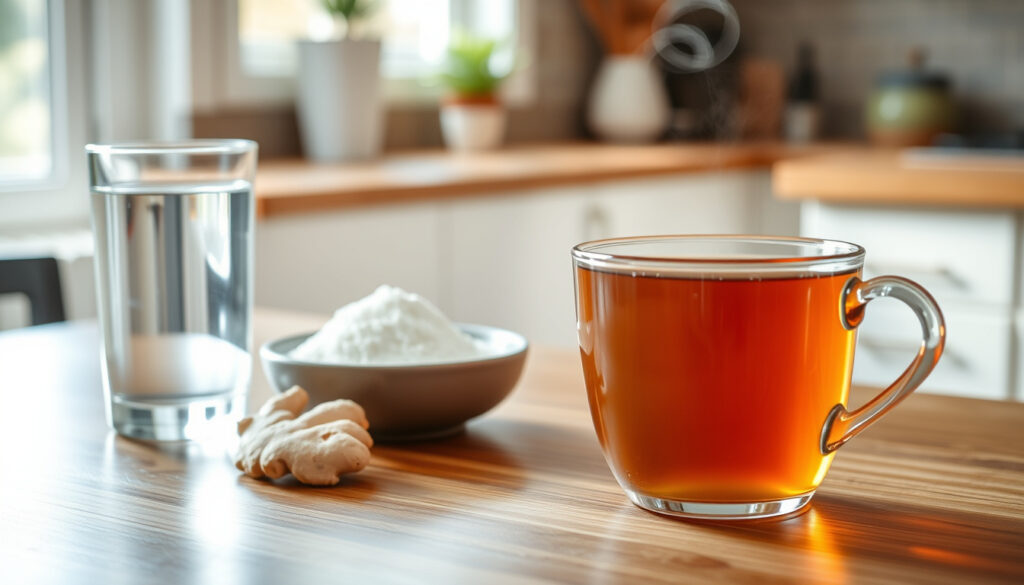
Ginger tea is widely recommended for its anti-inflammatory properties. The Tampa Bay Reflux Center and Baylor Scott & White note it can soothe the digestive tract. Chamomile tea is another option, but peppermint should be avoided as it can relax the LES and worsen symptoms. Unsweetened aloe vera juice, taken internally, may also calm the esophagus, according to Baylor.
Apple Cider Vinegar: A Mixed Bag
Apple cider vinegar is a popular anecdotal remedy, with some people reporting relief after consuming a small amount diluted in water. However, the Tampa Bay Reflux Center cautions that evidence is limited and it may actually irritate the esophagus in some individuals. A doctor should be consulted before trying this approach.
Foods That Help Neutralize Acid
Certain foods can help manage symptoms. Oatmeal, bananas, melons, green vegetables like broccoli and asparagus, and lean proteins such as chicken and fish are recommended by Baylor Scott & White and GoodRx. These foods are low in fat and acid, and they help absorb excess stomach acid. Meanwhile, trigger foods like spicy dishes, citrus, fried items, coffee, and alcohol are known to relax the LES and should be limited. For a closer look at which foods support reflux management and which to avoid, the Comprehensive Guide to Acid Reflux (GERD) Relief offers a detailed breakdown.
A Timeline for Relief: What to Expect
Understanding how quickly different strategies work helps set realistic expectations. Antacids offer relief in under five minutes. H2 blockers take 30 to 60 minutes to start working. Lifestyle changes, such as dietary adjustments and weight loss, typically require days to weeks before noticeable improvement occurs. For those on PPIs, healing of the esophagus may take several weeks. The Harvard Health guide emphasizes that consistency is key for long-term management.
What Is Certain and What Remains Unclear About Acid Reflux Remedies
| Established Information | Information That Remains Unclear |
|---|---|
| Avoiding trigger foods (spicy, fatty, citrus, caffeine) reduces reflux. | Effectiveness of apple cider vinegar for acid reflux is mixed; may cause irritation. |
| Elevating the head during sleep decreases nocturnal reflux. | Home remedies like baking soda water lack rigorous studies for safety and efficacy. |
| Proton pump inhibitors are effective for healing esophagitis. | Weight loss helps, but rate and extent vary per individual. |
| Antacids provide temporary symptom relief within minutes. | Some foods like ginger are generally safe but may not work for everyone. |
Understanding Why Acid Reflux Happens
The Cleveland Clinic explains that acid reflux is primarily caused by a weakened or relaxed lower esophageal sphincter (LES). This ring of muscle normally closes to keep stomach contents inside. When it fails to close properly, acid escapes into the esophagus. Obesity, pregnancy, hiatal hernia, smoking, and certain medications can all contribute to this dysfunction. Lifestyle and dietary modifications remain the first-line treatments, supported by major health organizations like the NIDDK.
What Do the Experts Say? Key Quotes on Managing Reflux
“Eat smaller, more frequent meals, rather than starving yourself then eating a big meal.”
— UHSussex NHS Trust
“When the stomach is very full, there can be more reflux into the esophagus.”
— Harvard Health Publishing
“Acid reflux happens when your LES weakens or relaxes enough to let acid pass.”
— Cleveland Clinic
Summary: What You Need to Know About Stopping Acid Reflux
Managing acid reflux effectively requires a multi-pronged approach. Immediate relief can come from antacids, sipping water, or chewing gum. Long-term prevention depends on lifestyle changes such as eating smaller meals, avoiding trigger foods, and elevating the head of the bed at night. For those with persistent symptoms, medications like H2 blockers or PPIs, under a doctor’s supervision, can offer significant relief. For a deeper look at specific foods and daily habits, refer to the Comprehensive Guide to Acid Reflux (GERD) Relief.
Frequently Asked Questions
What causes acid reflux?
Acid reflux is primarily caused by a weakened or relaxed lower esophageal sphincter (LES). Risk factors include obesity, pregnancy, hiatal hernia, smoking, and certain foods/drinks.
Is acid reflux dangerous?
Occasional acid reflux is common, but chronic GERD can lead to esophagitis, narrowing of the esophagus, or Barrett’s esophagus, a precancerous condition. Seek medical advice if symptoms are frequent or severe.
Can acid reflux be cured?
There is no permanent “cure,” but many people manage symptoms effectively with lifestyle changes, medications, or surgery. Some individuals experience remission after weight loss or other interventions.
Does drinking water help acid reflux?
Yes, water can help dilute stomach acid and wash it back down into the stomach. Slightly alkaline water (pH 8.8) may be more effective, but plain water is a safe, immediate option.
What is the difference between heartburn and acid reflux?
Heartburn is a symptom of acid reflux — a burning sensation in the chest. Acid reflux is the actual backward flow of stomach acid into the esophagus.
Are antacids safe for long-term use?
Antacids are intended for occasional, short-term relief. Daily use should be discussed with a doctor, as they can cause side effects like kidney issues or mineral imbalances.
What are the best foods to eat if I have acid reflux?
Low-acid, low-fat foods are best. Examples include oatmeal, bananas, melons, green vegetables, and lean proteins like chicken or fish. Keeping a food journal can help identify personal triggers.
Can stress cause acid reflux?
While stress does not directly cause acid reflux, it can increase stomach acid production and make symptoms feel worse. Relaxation techniques may help as part of a broader management plan.
Should I stop taking my medication if I feel better?
Do not stop taking prescribed medications without consulting your doctor. PPIs and H2 blockers are often used for a defined course to allow healing, and stopping early may lead to symptom return.
What is a natural way to get rid of acid reflux fast?
Drinking a glass of water, chewing sugar-free gum, or eating a ripe banana can provide fast relief. These methods help dilute acid, increase saliva, or coat the esophagus.
More related posts
 James Martin Yorkshire Pudding – Exact Recipe and Rise Tips
 Pdf Editor Online Free – Best No-Login Tools Compared
 Speed Distance Time Formula – Essential Calculations Guide
 What Did Jimmy Kimmel Say – Charlie Kirk Controversy Explained
 How Much Can You Earn Before Paying Tax – UK 2024/25 Allowance Guide
 B&Q Customer Service – Phone Number, Hours and Contact Guide
 Bert Kreischer – Biography, Age, Net Worth, Machine Story
 In the Night Garden Toys – Complete Buying Guide for Parents
