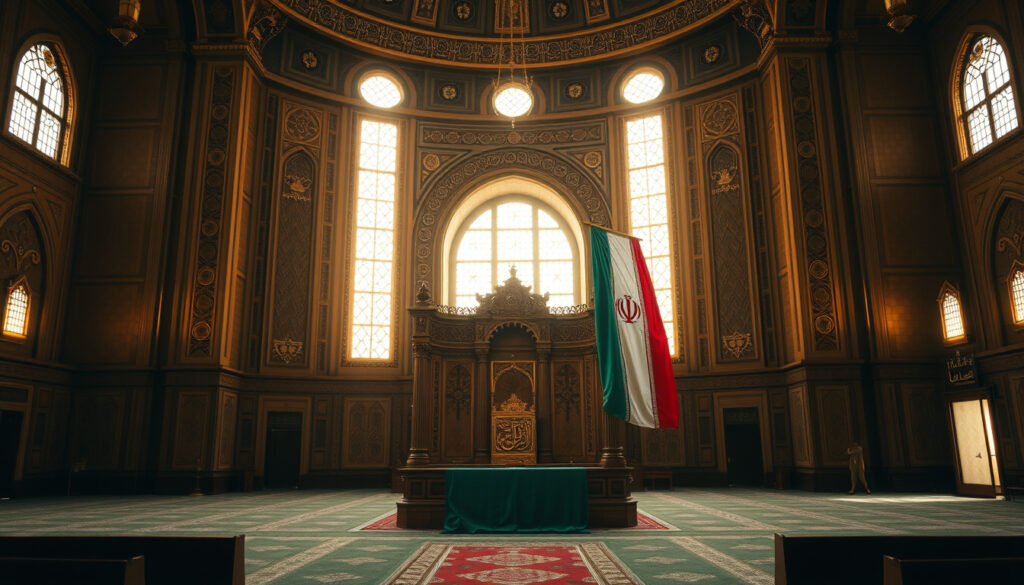
Iran Leader – Mojtaba Khamenei Becomes New Supreme Leader
In a dramatic shift for the Islamic Republic, Iran has a new supreme leader. Following the death of Ayatollah Ali Khamenei, the Assembly of Experts selected his son, Mojtaba Khamenei, to take the helm in March 2026. The transition marks only the third time a supreme leader has been chosen since the 1979 revolution.
The change comes amid a period of intense regional conflict and domestic uncertainty. Reports indicate that Ayatollah Ali Khamenei died in late February 2026, with several sources attributing his death to U.S.-Israeli strikes at the start of the 2026 Iran conflict. The swift succession by his son has raised questions about the future direction of the country.
Mojtaba Khamenei, a figure long influential behind the scenes, now steps into the most powerful office in Iran. His rise represents a continuity of the system, but also a significant test for a regime facing sanctions, protests, and external pressure.
Who is Iran’s new supreme leader?
The new supreme leader is Mojtaba Khamenei, the second son of the late Ayatollah Ali Khamenei. He was born on September 8, 1969, in Mashhad, and received his religious training at the Qom seminary. For years, he operated as a low-profile but deeply connected figure within Iran’s security and bureaucratic networks.
Mojtaba Khamenei (since March 2026)
Ali Khamenei (1989–2026)
Ruhollah Khomeini (1979–1989)
March 2026 (succession after death Feb 2026)
Key insights on the new leader
- Mojtaba Khamenei, son of Ali Khamenei, was selected by the Assembly of Experts within weeks of his father’s death.
- Ali Khamenei died in February 2026, reportedly from US-Israeli strikes per BBC, though other sources may vary.
- Iran has only had three supreme leaders since the 1979 revolution, with the position holding ultimate authority over state and military.
- The succession process was swift, signaling a controlled transition despite internal and external tensions.
- The new leader inherits a country under sanctions, ongoing protests, and regional conflicts.
- His elevation followed constitutional procedure, but it also reflects long-running speculation about a dynastic succession pattern.
- Sources describe him as a continuity choice rather than a clean break from his father’s era.
Quick reference facts
| Fact | Detail |
|---|---|
| Position | Supreme Leader of Iran (Velayat-e Faqih) |
| Current holder | Mojtaba Khamenei (born 1969, age 57 as of 2026) |
| Selection body | Assembly of Experts (elected clerical body) |
| Previous holder | Ali Khamenei (died Feb 28, 2026, age 86) |
| Length of previous tenure | 37 years (1989–2026) |
| Number of leaders since 1979 | 3 (Khomeini, Ali Khamenei, Mojtaba Khamenei) |
| Cause of Ali Khamenei’s death (reported) | US-Israeli strikes (per BBC); other reports list natural causes or injury |
What happened to Ayatollah Ali Khamenei?
Ayatollah Ali Khamenei, who led Iran for 37 years, died in late February 2026. The exact circumstances of his death remain a subject of conflicting reports. Several sources, including the BBC, report that he was killed in U.S.-Israeli strikes at the start of the 2026 Iran conflict. Other outlets, such as Politico and Britannica, do not specify a cause of death, while some YouTube summaries refer to an “assassination.”
What is clear is that his death triggered an immediate leadership crisis. Reports mention an interim leadership council in the immediate aftermath before the Assembly of Experts convened to select a permanent successor. No official Iranian confirmation of the cause of death has been released, and no independently verified death certificate or autopsy report is publicly available. For broader context on the regional tensions surrounding this event, see the analysis of the 2026 Iran conflict.
While BBC attributes Ali Khamenei’s death to US-Israeli strikes, other sources like Politico and Britannica do not specify a cause. Official Iranian statements have not confirmed the circumstances, leaving the exact cause unverified.
How was Mojtaba Khamenei chosen as supreme leader?
The selection was made by the Assembly of Experts, an 88-member body of clerics empowered by the Iranian constitution to appoint and oversee the supreme leader. The process was swift, occurring within weeks of Ali Khamenei’s death in March 2026.
How is Iran’s supreme leader selected?
The constitution vests the authority to choose the supreme leader in the Assembly of Experts. This body is elected by the public, though candidates are vetted by the Guardian Council. The Assembly can also, in theory, remove the supreme leader, though this has never happened and would require a supermajority.
What is the Assembly of Experts?
It is an elected clerical body responsible for selecting and overseeing the Supreme Leader. Its members are typically senior clerics, and its decisions carry immense constitutional weight. The speed of the succession suggests a regime determined to project stability and control.
The Assembly of Experts selected Mojtaba Khamenei within weeks of his father’s death. This rapid process indicates a pre-planned transition and a regime intent on avoiding a power vacuum during a period of conflict and unrest.
Who are the previous supreme leaders of Iran?
Since the 1979 Islamic Revolution, Iran has had only three supreme leaders. The first was Ayatollah Ruhollah Khomeini, who led the revolution and established the Islamic Republic. He served from 1979 until his death in 1989.
The second was Ayatollah Ali Khamenei, who succeeded Khomeini and held the position for 37 years until his death in February 2026. His tenure was the longest of any Iranian supreme leader and saw the country through the Iran-Iraq war, international sanctions, and regional conflicts.
Mojtaba Khamenei is now the third supreme leader, inheriting a position that holds ultimate authority over the military, judiciary, state media, and key foreign policy decisions.
What powers does Iran’s supreme leader hold?
The supreme leader is the highest political and religious authority in Iran. The role sits above the elected branches of government and is the central authority in the system. While the constitution does not spell out every power in granular detail, the position commands control over the military, the judiciary, state media, and key foreign policy decisions.
The supreme leader also appoints half of the Guardian Council, which vets election candidates and can veto legislation. This concentration of power means that Mojtaba Khamenei inherits a vast apparatus of control, though his ability to wield it effectively remains to be seen.
What does the leadership change mean for Iran and the region?
The death of Ali Khamenei after 37 years marks a critical transition for Iran. Mojtaba Khamenei, though relatively unknown internationally, has been groomed for succession and represents continuity of the system. However, he lacks his father’s clerical credentials and may face legitimacy challenges from within the establishment.
The change comes amid domestic unrest, including ongoing protests, and external pressure from sanctions and regional tensions. The involvement of U.S.-Israeli strikes in his father’s death, if confirmed, could further escalate conflict. The new leader is expected to follow similar hardline policies but may lack the same grip on power.
Timeline of Iran’s supreme leaders
- 1979: Islamic Revolution; Ruhollah Khomeini becomes first Supreme Leader.
- June 3, 1989: Ruhollah Khomeini dies; Ali Khamenei succeeds as second Supreme Leader.
- February 28, 2026: Ayatollah Ali Khamenei dies (multiple reports: killed by US-Israeli strikes).
- March 2026: Assembly of Experts selects Mojtaba Khamenei as third Supreme Leader.
- March 2026: International reactions and analysis of succession begin.
What is confirmed and what remains unclear?
| Established information | Information that remains unclear |
|---|---|
| Ali Khamenei died in February 2026. | Cause of death: Some sources (BBC) report killed by US-Israeli strikes; others (Politico, Britannica) do not specify cause. No official Iranian confirmation of cause. |
| Mojtaba Khamenei was chosen as supreme leader in March 2026 by the Assembly of Experts. | Injury reports: Searches for ‘Iran leader injured’ may relate to earlier incidents or confusion; no evidence of injury prior to death. |
| There have been three supreme leaders in Iran’s history. | Exact date of succession announcement: Not precisely specified in SERP results. |
Sources and key quotes on the leadership change
“Mojtaba Khamenei, the son of Iran’s Ayatollah Ali Khamenei, who was killed in US-Israeli strikes, has been chosen as his successor.”
— BBC News
“Ayatollah Khamenei is dead. Here’s what that means for Iran’s leadership. The country’s supreme leader led the Islamic Republic for 37 years.”
— Politico
“Iran’s supreme leader is Mojtaba Khamenei, who was selected in March 2026 by the Assembly of Experts to succeed his father.”
— Britannica
Summary: What does this mean for Iran’s future?
The swift selection of Mojtaba Khamenei indicates a regime intent on stability and continuity. However, the new leader inherits a country under immense pressure from sanctions, protests, and regional conflict. His lack of his father’s clerical stature may pose legitimacy challenges. The coming months will reveal whether he can consolidate power and navigate Iran through one of its most turbulent periods. For a detailed look at his background, see the Profile: Mojtaba Khamenei, Iran’s new supreme leader.
Frequently asked questions
What is the difference between Iran’s Supreme Leader and President?
The Supreme Leader is the highest authority with control over military, judiciary, and key state institutions. The President is elected and oversees the executive branch but operates under the Supreme Leader’s approval.
How old is Mojtaba Khamenei?
Mojtaba Khamenei was born in 1969, making him 57 years old as of 2026.
Did Iran’s supreme leader die naturally or was he killed?
Reports are contradictory. BBC claims he was killed in US-Israeli strikes; other sources do not specify. Official Iranian statements have not confirmed the cause.
Who was the second supreme leader of Iran?
The second supreme leader was Ayatollah Ali Khamenei, who served from 1989 to 2026.
Can the supreme leader be removed?
Theoretically, the Assembly of Experts can remove the supreme leader, but this has never happened and requires a supermajority.
What is the Assembly of Experts?
It is an elected body of clerics that selects and oversees the Supreme Leader.
More related posts
 iPhone 17 Pro Max – UK Prices Deals and Specs
 Daniel Radcliffe Net Worth – $120M Fortune from Harry Potter
 Cruises from Southampton 2024 – Top Lines, Deals & Itineraries
 Star Wars: A New Hope – Original Cast and Key Details
 Brianne Howey Movies and TV Shows – Complete Filmography
 Whats My IP Address – Check Your Public IP and Location
 Cast of Zombies 4 Dawn of the Vampires – Full Cast List
 Adrian Bayford Lottery Winner – £148M Win, Divorce and 2024 Status
