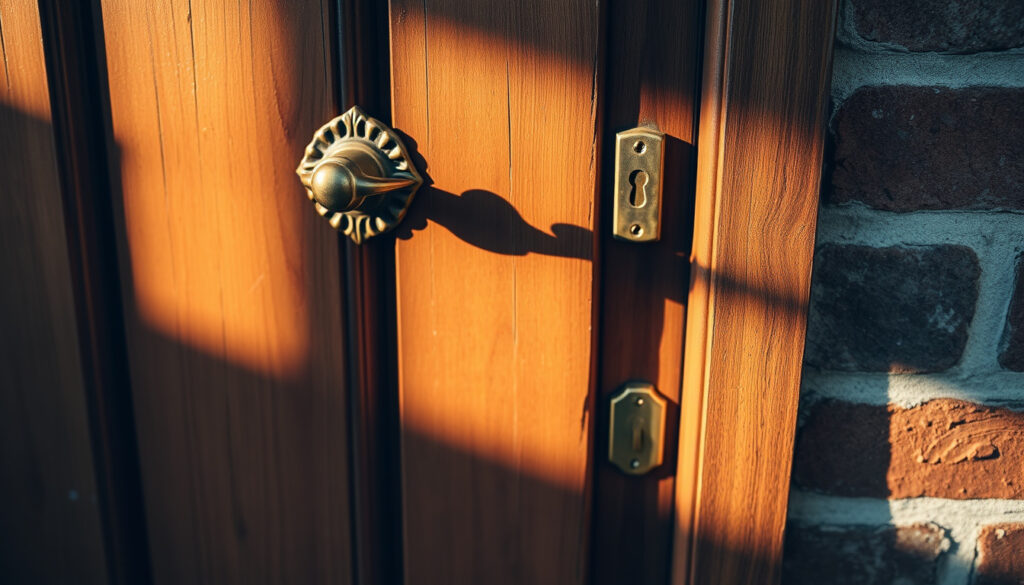
Antique Brass Door Handles – Complete Buyers Guide UK
Antique brass door handles are a strong choice for traditional, period, or elegant interiors, but the best purchase depends on compatibility, finish durability, and whether the handle is for an internal or external door.
For UK buyers, the key checks are door type, backset, handing, lock or latch compatibility, and the finish’s maintenance needs. Without proper measurement and hardware matching, even the finest handle can become a source of frustration.
This guide cuts through the product listings to answer the questions buyers actually ask: where to find quality options, how solid brass compares to plated finishes, what sizes work, and how to keep the aged look alive.
Where Can I Buy Antique Brass Door Handles?
| Top Retailers | Hiatt Hardware, Corston, More Handles, Frelan Hardware, Rowen & Wren |
| Common Types | Lever handles, door knobs, handles with backplate, pull handles |
| Material Options | Solid brass, brass-plated |
| Typical Sizes | Backplate: 150–250mm; Rose: 50–60mm; Handles: 100–130mm |
Antique brass door handles are popular for traditional and period-style homes, but they are also increasingly used in modern interiors as a warm accent. Solid brass handles are more durable and develop a natural patina, while brass-plated handles are cheaper but may wear over time. Backplate designs include Victorian, Edwardian, and contemporary slimline options. Locks can be integrated into lever handles or added separately with a keyhole escutcheon. Cleaning must be gentle to preserve the aged finish – avoid abrasive cleaners.
| Aspect | Details |
|---|---|
| Finish name | Antique brass (lacquered or unlacquered) |
| Common materials | Solid brass, brass-plated steel or zinc |
| Backplate types | Rectangular, oval, circular (rose) |
| Handle types | Lever (short/long), knob (round, egg-shaped), pull |
| Typical price range | £5–£50 per handle (brass-plated) to £30–£150 (solid brass) |
| Popular retailers UK | Hiatt Hardware, Corston, More Handles, Frelan Hardware, B&Q, Screwfix |
| Screwfix & B&Q presence | Both carry budget-friendly antique brass handles (often brass-plated) |
Specialist retailers like Hiatt Hardware Antique Brass Handles offer a wide range of solid brass options with detailed product information. Corston Antique Brass Hardware focuses on design-led collections. For competitive pricing, More Handles Antique Brass & Bronze and Frelan Hardware Antique Brass Handles provide broad inventories. Rowen & Wren Antique Brass Knobs caters to a boutique heritage aesthetic. For budget-friendly options, B&Q Antique Brass Handles and Screwfix Antique Brass Handles carry mostly brass-plated variants.
What Types of Antique Brass Door Handles Are Available?
Lever handles and door knobs
Lever handles are the most common type for interior doors. They come in short (100–110mm) and long (120–130mm) versions. Door knobs, sometimes called mortice knobs, are often paired with a separate lock or latch and typically require a deeper setback than levers.
Handles with backplate vs rose
A backplate is a rectangular or oval plate that covers the lock mechanism and provides a stable mounting. A rose is a circular plate used for mortice knob sets or lever handles on a spindle. Choosing between them depends on the door style and existing holes.
Suited for wardrobes
Some antique brass handles are designed specifically for wardrobes, typically smaller in size and with a shorter spindle. Many retailers offer matching sets for bedroom furniture.
Integrated locks
Many lever handle sets include a locking mechanism, often with a keyhole and escutcheon. For separate locks, a handle set can be paired with a 5-lever mortice lock for external doors.
Standard interior doors use backplates 150–200mm long; larger doors may require 250mm. Always measure the existing backplate or distance between screw centres before ordering.
Solid Brass vs Brass-Plated: Which Is Right for You?
Solid brass
Solid brass handles are heavier, more durable, and develop a natural patina over time. They are usually unlacquered or lacquered, with hand-finished options available. Hiatt Hardware describes its antique brass handles as hand-finished for an authentic aged appearance. Solid brass is best for external doors and high-traffic areas, though it requires occasional maintenance.
Brass-plated
Brass-plated handles are made from steel, zinc, or other base metals with a thin brass coating. They are cheaper and lighter but the coating can wear or chip, especially in damp environments. The exact longevity of the antique finish on plated handles depends on usage and the environment, such as moisture and cleaning products.
Antique vs brushed vs polished brass
Antique brass has a darker, aged appearance with visible patina. Brushed brass has a linear satin finish that is more subtle. Polished brass is shiny and shows fingerprints more readily. Antique and satin brass are easier to maintain than polished.
If you choose antique brass for its aged look, over-polishing can remove the character of the finish. Use only a soft cloth and mild soapy water for routine cleaning.
How to Choose the Right Backplate, Rose, and Size
Measuring your door
Before buying, confirm door thickness, cross-bore size (the hole for the lock), and backset (distance from edge of door to centre of hole). For lever handles, also check the handing – whether the door opens left or right.
Backplate dimensions
Common backplate lengths are 150mm, 180mm, 200mm, and 250mm. Rose diameters typically range from 50mm to 60mm. The screw spacing must match existing holes or be covered by the new plate.
Installation basics
Standard tools include a screwdriver, tape measure, pencil, chisel, hammer, and level. Common mistakes include overtightening screws, misaligning the latch, and installing a crooked handle. Measure twice, fit once.
For external doors, choose a handle with a suitable locking mechanism – a 5-lever mortice lock is often recommended. Not all antique brass handles are designed for exterior use.
Evolution of Antique Brass Door Handles
- – Solid brass handles become standard in Victorian and Edwardian homes, often hand-finished and turned.
- – Brass gives way to chrome and aluminium; antique brass finish is reproduced using chemical patination.
- – Revival of traditional style in interior design; new manufacturing techniques offer solid brass and plated options with consistent antique finish.
What Is Known and What Remains Uncertain About Antique Brass
| Established information | Information that remains unclear |
|---|---|
| Antique brass finish is achieved through chemical aging or lacquer tinting. | The exact longevity of the antique finish on plated handles depends on usage and environment (e.g., moisture, cleaning products). |
| Solid brass handles are heavier and longer-lasting. | Whether unlacquered brass will patina as expected varies by air quality and handling frequency. |
| Screwfix and B&Q carry antique brass handles, mostly brass-plated. |
How to Choose Antique Brass Door Handles: A Practical Guide
Our analysis of the top search results reveals that almost all are product pages with minimal decision-support content. This leaves users searching for answers to basic questions like which finish is best and how to maintain them. This guide fills that gap by comparing material types, explaining backplate dimensions, and offering cleaning dos and don’ts. For UK buyers, we highlight both specialist retailers (Hiatt, Corston, More Handles, Frelan, Rowen & Wren) and DIY chains (B&Q, Screwfix). The growing trend of heritage interior design makes antique brass a versatile choice, but understanding the difference between solid and plated is crucial for long-term satisfaction. For more on finish selection, see How to choose the perfect colour for your door handle and matching hardware.
Key Sources and Expert References on Antique Brass Door Handles
Our antique brass door handles are hand-finished for an authentic aged appearance.
Hiatt Hardware product description
Durable, hand-finished.
Frelan Hardware product range
General industry knowledge confirms that antique brass is often referred to as ‘old brass’ or ‘weathered brass’ in trade catalogues. For period-style guidance, Door knobs buying guide from Period Home Style offers detailed advice on traditional homes.
What’s Next After Choosing Antique Brass Door Handles?
Once you have selected your handles, explore compatible escutcheons and thumbturns for a complete hardware set. Consider matching staircase or cabinet handles for a cohesive look. Keep an eye on updated collections from retailers, as seasonal finishes may appear.
Frequently Asked Questions
What size backplate do I need for interior doors?
Standard interior doors use backplates 150–200mm long; larger doors may require 250mm. Measure existing backplate or keyhole distance.
Can antique brass door handles be used on external doors?
Yes, but choose solid brass and ensure suitable locking mechanism (e.g., 5-lever mortise lock). Some handles are designed specifically for external use.
How do I clean antique brass without ruining the finish?
Use a soft cloth and mild soapy water. Avoid ammonia-based cleaners or metal polish. For unlacquered brass, use a brass cleaner sparingly and re-patina if needed.
What is the difference between antique brass and brushed brass?
Antique brass has a darker, aged appearance with visible patina; brushed brass has a linear satin finish. Both are popular for different aesthetics.
Are antique brass handles easy to install?
Yes, most come with screws and fitting instructions. Basic DIY tools (screwdriver, measuring tape) are required. Some require a backplate screw spacing of 3.5–5 inches.
More related posts
 Russian Losses in Ukraine – Verified Casualties and Equipment Data
 Snow White – 2025 Cast, Where to Watch and Story Changes
 Celtic v St Mirren – H2H Record, Recent Re ult & 2026 Recap
 Mr Motivator – Real Name, Age, Family and 2025 Update
 How to Stop Acid Reflux – Fast Relief Home Remedies and Tips
 How Much Can You Earn Before Paying Tax – UK 2024/25 Allowance Guide
 Cross Body Bag Women – Designer Sales & Travel Guide 2025
 In the Night Garden Toys – Complete Buying Guide for Parents
